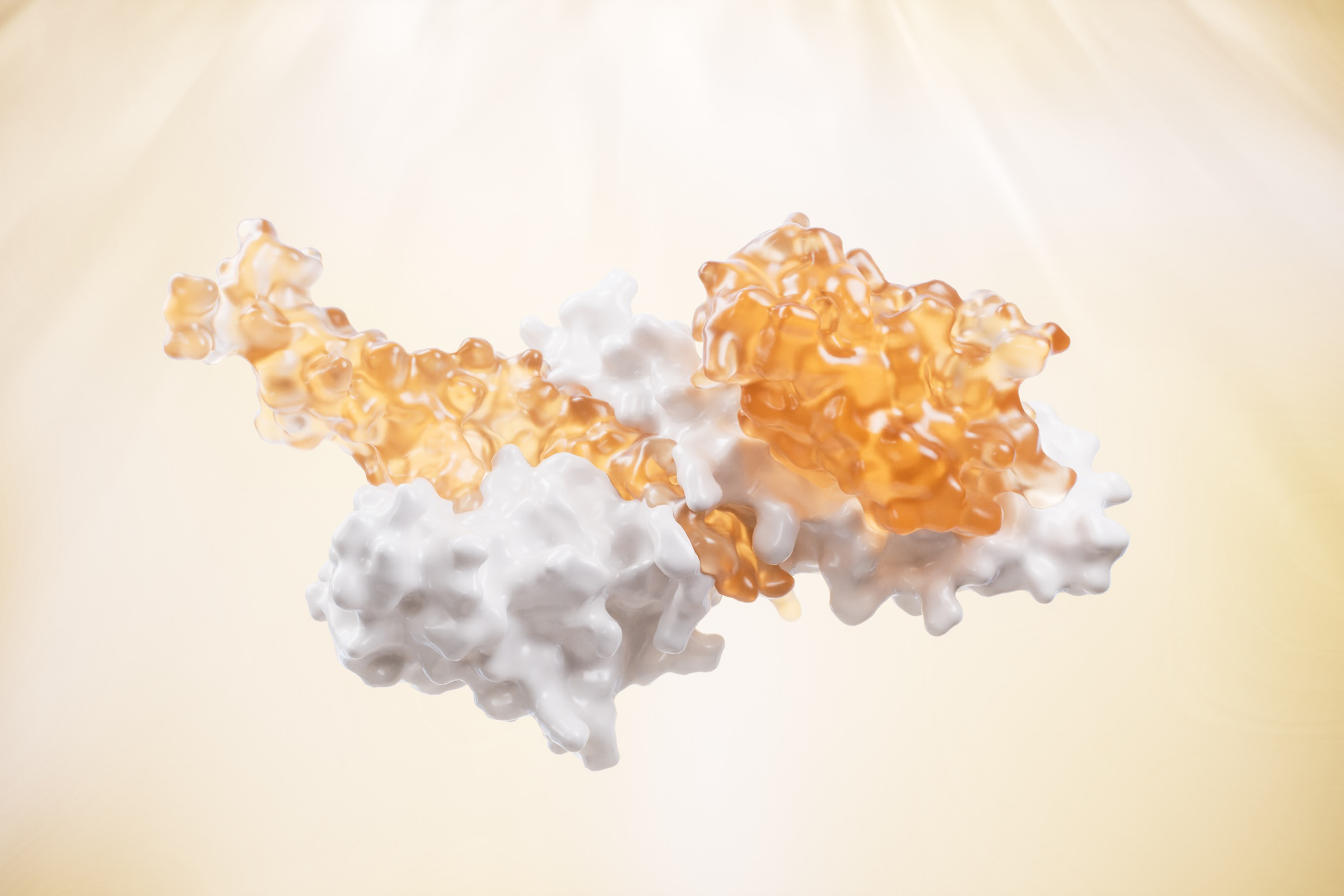


L-Theanine and Calm Focus: Gentle Support for the Stress Response
L-theanine is a naturally occurring amino acid most commonly found in Camellia sinensis, the plant used to produce green and black tea. Over the past two decades, L-theanine has become one of the most widely studied nutrients for its ability to support calm neurological activity, balanced stress response signaling, and focused mental clarity.
Unlike many compounds associated with relaxation, L-theanine does not promote sedation. Instead, research suggests it supports a state often described as “calm alertness,” where the nervous system maintains focus while reducing excess neural excitability.
Within wellness formulations designed to support stress resilience and nervous system equilibrium, L-theanine is frequently included to help promote steady cognitive function during periods of mental demand or physiological stress.
How L-Theanine Influences the Nervous System
L-theanine’s calming effects are believed to be related to its influence on several neurotransmitter pathways involved in emotional regulation and neurological balance. Research suggests L-theanine may support activity within neurotransmitter systems including GABA, dopamine, and serotonin, each of which contributes to mood stability and cognitive clarity.
One of the most widely studied effects of L-theanine involves its ability to promote alpha brain wave activity, a pattern of neurological signaling associated with relaxed attentiveness. Alpha wave activity is commonly observed during meditation and states of calm mental focus.
By supporting this neurological state, L-theanine may help the brain maintain clear thinking while reducing physiological tension, a combination that is particularly valuable during periods of elevated stress.
L-Theanine and the Physiological Stress Response
The human stress response is coordinated by a complex signaling network involving the brain, endocrine system, and nervous system. L-theanine has been studied for its ability to support balanced activity within this network.
Clinical research suggests L-theanine may help support healthy cortisol signaling and autonomic nervous system balance, particularly during acute psychological stress. In controlled trials, participants receiving L-theanine have demonstrated markers consistent with improved stress resilience and calmer physiological responses to demanding tasks.
These effects appear to occur without impairing cognitive performance, which is why L-theanine is frequently used in formulations designed to support focused calm rather than sedation.
L-Theanine and Cognitive Performance
Another area of growing research involves L-theanine’s ability to support attention, cognitive processing, and working memory. Studies suggest that when L-theanine supports balanced neural signaling, the brain may maintain clearer cognitive function under conditions of mental demand.
Some research has explored the combination of L-theanine with caffeine, where the amino acid appears to moderate overstimulation while preserving alertness. Even when used independently, L-theanine has been shown to support focused attention and mental clarity, making it useful for individuals seeking calm productivity rather than fatigue or sedation.
L-Theanine and Sleep Quality
Although L-theanine is not a sedative, research suggests it may support pre-sleep relaxation and evening nervous system calm. By helping reduce excessive neural excitability and supporting balanced neurotransmitter signaling, L-theanine may contribute to a physiological environment that allows the body to transition more smoothly into restorative sleep.
Several clinical trials have observed improvements in markers associated with sleep quality, relaxation, and reduced nighttime restlessness when L-theanine is consumed as part of a wellness routine.
Clinical Research on L-Theanine
Interest in L-theanine has grown significantly due to its ability to influence multiple neurological pathways associated with calm and focus. Controlled studies examining L-theanine supplementation have reported findings related to reduced stress perception, improved attentional performance, and increased alpha brain wave activity, all of which reflect balanced nervous system function.
Because L-theanine supports neurological regulation without producing sedation, it has become a widely used ingredient in wellness formulations designed to support calm mental clarity and emotional equilibrium.
Efficacious Intake Ranges
Clinical studies investigating L-theanine supplementation commonly utilize intake ranges between 100 mg and 400 mg per day, depending on the outcome being evaluated. Many research protocols examining stress and cognitive function use doses between 200 mg and 250 mg, which appear sufficient to influence neurological signaling associated with calm attentiveness.
As with many nutrients involved in neurological function, individual responses can vary depending on factors such as baseline stress levels, sleep quality, and dietary intake.
The Role of L-Theanine Within the Cool™ Botanical Blend
Within DoctHer® Cool™, L-theanine functions as part of a botanical and nutrient system designed to support nervous system calm, stress resilience, and internal balance. The formula combines L-theanine with botanicals traditionally used to support emotional equilibrium and thermoregulatory comfort, including black cohosh, chaste tree berry, red clover, sage, passionflower, lemon balm, peppermint essential oil, and magnesium glycinate.
This combination reflects a systems-oriented approach to wellness, where multiple ingredients work together to support calm neurological signaling, balanced physiological response to stress, and overall internal stability.
References
- Kimura K, Ozeki M, Juneja LR, Ohira H. L-theanine reduces psychological and physiological stress responses. Biological Psychology. 2007;74(1):39–45.
- Higashiyama A, Horie M, Saito M, et al. Effects of L-theanine on attention and reaction time response. Nutritional Neuroscience. 2011;14(2):79–86.
- Juneja LR, Chu DC, Okubo T, Nagato Y, Yokogoshi H. L-theanine—a unique amino acid of green tea and its relaxation effect in humans. Trends in Food Science & Technology. 1999;10(6-7):199–204.
- Nathan PJ, Lu K, Gray M, Oliver C. The neuropharmacology of L-theanine and its potential role in cognitive function. Nutritional Neuroscience. 2006;9(5-6):219–230.
- Unno K, Iguchi K, Tanida N, et al. Ingestion of theanine improves sleep quality and reduces stress in adults. Nutrients. 2018;10(5):590.
- Yoto A, Motoki M, Murao S, Yokogoshi H. Effects of L-theanine or caffeine intake on changes in blood pressure under physical and psychological stresses. Journal of Physiological Anthropology. 2012;31:28.

Kash Khan
Kashif Khan is the Founder and CEO of DoctHer®, a precision wellness company built on systems biology, functional genomics, and the belief that women’s health deserves engineered, chapter-specific support. With a background in genetic research and personalized wellness innovation, Kash has dedicated his career to translating complex biological data into accessible, intelligent consumer solutions. His work centers on understanding how genes interact with environment, stress signaling, and nutrient pathways — and applying that insight to create structured, phase-based support systems rather than symptom-driven interventions. At DoctHer®, he leads with scientific depth and long-term vision, advancing a calm, compliance-first approach to women’s hormonal wellness that is engineered, measured, and designed for lifelong continuity.

Botanical + Nutrient Daily Spray
Cool
A precision botanical oral spray designed to support thermoregulatory balance, nervous system calm, and mood equilibrium during later hormonal transitions.
This refreshing daily formula combines calming botanicals, mineral support, and adaptive plant compounds delivered through an efficient oral spray for rapid absorption through vascular tissues of the mouth.*