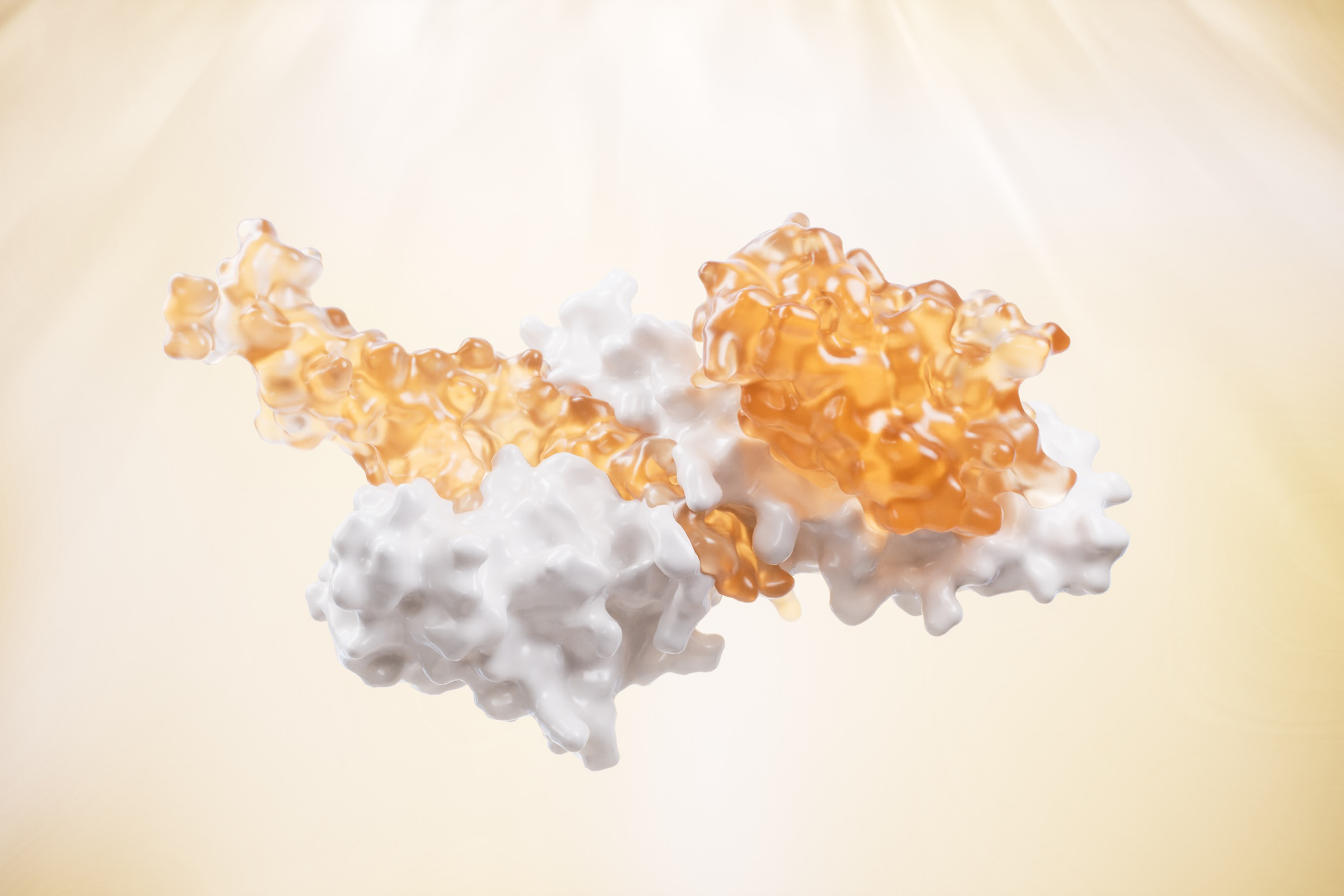


Peppermint and Sensory Cooling: Botanical Support for Internal Refreshment and Balance
Peppermint (Mentha × piperita) is a widely recognized botanical known for its refreshing aroma, cooling sensation, and digestive support properties. The plant has been used for centuries in traditional herbal systems and continues to be one of the most extensively studied aromatic botanicals.
Modern research has identified several active compounds within peppermint that contribute to its sensory cooling effects, neurosensory signaling, and gastrointestinal comfort. Because peppermint interacts with sensory receptors involved in temperature perception and neurological signaling, it is frequently used in wellness formulations designed to support internal refreshment, calm physiological balance, and sensory cooling comfort.
Within multi-ingredient botanical systems, peppermint contributes both aromatic compounds and neurosensory signaling effects that complement ingredients supporting thermoregulation and nervous system balance.
Active Compounds in Peppermint
Peppermint contains a complex mixture of phytochemicals, the most prominent of which is menthol, a naturally occurring compound responsible for the plant’s characteristic cooling sensation. Additional compounds found in peppermint include menthone, limonene, and rosmarinic acid, each contributing to the plant’s aromatic and physiological properties.
Menthol interacts with specific sensory receptors known as TRPM8 receptors, which are involved in detecting cold sensations. Activation of these receptors produces a cooling perception without actually lowering body temperature.
This mechanism explains why peppermint is widely used in products designed to promote refreshment, sensory cooling, and comfort.
Peppermint and Sensory Cooling Mechanisms
The cooling sensation associated with peppermint results from menthol’s interaction with thermosensory receptors located in the skin and mucosal tissues. When menthol binds to these receptors, it activates neural pathways associated with cold perception.
This interaction can produce a feeling of cooling and freshness, even in environments where temperature remains unchanged. Because these sensory pathways are connected to neurological signaling networks, peppermint’s effects can contribute to a perception of internal cooling comfort and refreshment.
These properties make peppermint particularly useful in formulations designed to support sensory balance and physiological comfort.
Peppermint and Nervous System Signaling
Beyond its cooling sensation, peppermint has also been studied for its influence on neurological alertness and cognitive clarity. Aromatic compounds found in peppermint essential oil may interact with the limbic system, a region of the brain involved in mood, memory, and sensory processing.
Several studies examining peppermint aroma exposure have reported markers associated with enhanced attentiveness, improved cognitive performance, and increased subjective alertness.
These neurological effects complement peppermint’s sensory cooling properties, supporting mental refreshment and balanced neurological signaling.
Peppermint and Digestive Comfort
Peppermint has also been extensively studied for its influence on digestive physiology, particularly its ability to support smooth muscle relaxation in the gastrointestinal tract.
The botanical’s menthol content appears to influence calcium channel activity in smooth muscle cells, contributing to relaxed gastrointestinal function and digestive comfort.
Because digestive signaling and nervous system activity are closely connected through the gut–brain axis, botanicals that support digestive balance may also contribute to overall physiological stability.
Clinical Research on Peppermint
Scientific investigations examining peppermint have explored its effects on digestive physiology, cognitive performance, and neurosensory perception. In controlled studies, peppermint oil and menthol have demonstrated measurable effects on thermosensory receptor activity, gastrointestinal comfort, and attentional performance.
Researchers attribute these effects primarily to peppermint’s menthol content and its interaction with sensory and neurological signaling pathways.
Because of its well-characterized bioactive compounds and long history of use, peppermint remains one of the most widely studied botanicals in modern phytotherapy.
Efficacious Intake Ranges
Clinical studies evaluating peppermint oil supplementation commonly utilize doses ranging from 90 mg to 225 mg of peppermint oil per day, depending on the delivery format and research objective.
When peppermint is used as an aromatic or flavor component within wellness formulations, smaller amounts may still provide sensory and neurological signaling benefits through menthol’s interaction with thermosensory receptors.
The Role of Peppermint Within the Cool™ Botanical Blend
Within DoctHer® Cool™, peppermint essential oil contributes refreshing sensory cooling and aromatic balance that complements the formula’s broader physiological support system.
The ingredient works alongside magnesium glycinate and L-theanine, which support nervous system calm, as well as botanicals including sage, black cohosh, chaste tree berry, red clover, passionflower, and lemon balm that contribute to thermoregulatory balance and emotional equilibrium.
Together, these ingredients form a coordinated system designed to support internal cooling comfort, stress resilience, and balanced neurological signaling, reflecting DoctHer®’s systems-based philosophy of supporting interconnected physiological pathways.
References
- Eccles R. Menthol and related cooling compounds. Journal of Pharmacy and Pharmacology. 1994;46(8):618–630.
- McKay DL, Blumberg JB. A review of the bioactivity and potential health benefits of peppermint tea (Mentha piperita L.). Phytotherapy Research. 2006;20(8):619–633.
- Galeotti N, Mannelli LDC, Mazzanti G, Bartolini A, Ghelardini C. Menthol: a natural analgesic compound. Neuroscience Letters. 2002;322(3):145–148.
- Raudenbush B, Corley N, Eppich W. Enhancing athletic performance through the administration of peppermint odor. Journal of the International Society of Sports Nutrition. 2001;1(1):27–31.
- Grigoleit HG, Grigoleit P. Pharmacology and preclinical pharmacokinetics of peppermint oil. Phytomedicine. 2005;12(8):612–616.

Kash Khan
Kashif Khan is the Founder and CEO of DoctHer®, a precision wellness company built on systems biology, functional genomics, and the belief that women’s health deserves engineered, chapter-specific support. With a background in genetic research and personalized wellness innovation, Kash has dedicated his career to translating complex biological data into accessible, intelligent consumer solutions. His work centers on understanding how genes interact with environment, stress signaling, and nutrient pathways — and applying that insight to create structured, phase-based support systems rather than symptom-driven interventions. At DoctHer®, he leads with scientific depth and long-term vision, advancing a calm, compliance-first approach to women’s hormonal wellness that is engineered, measured, and designed for lifelong continuity.

Botanical + Nutrient Daily Spray
Cool
A precision botanical oral spray designed to support thermoregulatory balance, nervous system calm, and mood equilibrium during later hormonal transitions.
This refreshing daily formula combines calming botanicals, mineral support, and adaptive plant compounds delivered through an efficient oral spray for rapid absorption through vascular tissues of the mouth.*